

Learn About Mesothelioma
If you or a loved one has mesothelioma, you’ll likely want to understand the science behind it.
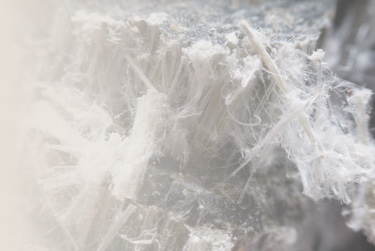
Mesothelioma is a rare and aggressive cancer affecting between 3,000 and 3,300 people in the U.S. each year. This disease develops in the linings of the lungs, abdomen or heart. Mesothelioma is caused by asbestos exposure, and the cancer usually forms 20 to 50 years after the patient was exposed.
Types of Mesothelioma
There are three primary types of mesothelioma based on tumor location: pleural, peritoneal and pericardial.
Pleural Mesothelioma
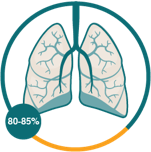
This cancer forms in the pleura, which is a thin lining that separates your chest wall and lung cavity.

Peritoneal Mesothelioma
This cancer originates in the peritoneum, which is a membrane that wraps around your abdominal cavity.

Pericardial Mesothelioma
This cancer develops in the pericardium, the membrane which encloses your heart.
Treatment Options for Mesothelioma
Surgery, chemotherapy and radiation are the three most often-used treatment options for mesothelioma. There are multiple types of each method and some are only used for one specific type of mesothelioma.
Mesothelioma experts believe a multimodal approach is the most effective way of attacking this cancer. A multimodal approach involves two, or even three, of the main treatment methods.
Mesothelioma Surgery
Surgery is the most effective treatment for mesothelioma patients. Surgeons try to remove most, if not all, of the tumors from the body during an operation.

Pleural Mesothelioma Surgery
Extrapleural pneumonectomy — This operation involves the removal of the pleura, affected lung, diaphragm and the lining around the heart (pericardium). Extrapleural pneumonectomy is the more invasive of the two pleural mesothelioma surgeries and is recommended when the cancer has spread beyond the pleura.
Pleurectomy with decortication — This procedure spares the lung while removing the cancer’s point of origin, the pleura. Pleurectomy with decortication is less invasive and requires less recovery time, but it may only be beneficial in early stage mesotheliomas. Some doctors may use this surgery for late-stage patients in an extended form, with the diaphragm and other areas removed along with the pleura.

Peritoneal Mesothelioma Surgery
For peritoneal mesothelioma patients, the primary surgery is cytoreduction with heated intraperitoneal chemotherapy (HIPEC). The procedure involves removing the lining of the abdomen, called the peritoneum, and any visible tumors in the abdominal cavity. The abdomen is then bathed with heated chemotherapy to target any remaining cancer cells.

Pericardial Mesothelioma Surgery
Pericardial mesothelioma patients can undergo a pericardiectomy. This operation involves the removal of your pericardium, which is the lining surrounding your heart. Doctors usually recommend this procedure for patients who experience constrictive pericarditis (inflammation and stiffening of the pericardium).
Mesothelioma Chemotherapy
While there are specific surgeries for each type of mesothelioma, chemotherapy is the only Federal Drug Administration-approved treatment for all forms of the cancer. The drugs can be used as a secondary option, paired with surgery, or as the first treatment.
The goals of chemotherapy include:
- Killing or shrinking mesothelioma tumors
- Preventing the spread of cancerous cells
- Relieving symptoms
- Improving the effectiveness of surgery or other treatments
Mesothelioma Chemotherapy Drugs
Pemetrexed and cisplatin are the two FDA-approved chemotherapy drugs for mesothelioma. They are often paired together to contain and attack the cancer. Other medications are used in an experimental setting or if pemetrexed and cisplatin are ineffective. Additional chemotherapy drugs include:

Bevacizumab

Carboplatin

Gemcitabine

Vinorelbine
Mesothelioma chemotherapy usually produces uncomfortable side effects. Patients often report nausea, fatigue and a phenomenon known as “chemo brain,” which involves memory loss and concentration issues.
Mesothelioma Radiation
Radiation is another treatment method, usually used as a secondary option before or after surgery. Radiation also is paired at times with chemotherapy and is used for pain-relief purposes in late-stage patients.
Radiation therapy involves sending high-energy beams into the area where the mesothelioma tumors exist. Treatment is painless, making radiation one of the least-invasive options for patients.

Radiation sessionsUsually last around 15 minutes and occur five days per week
Emerging Treatments for Mesothelioma
Aside from surgery, chemotherapy and radiation, researchers are constantly uncovering new and promising ways of treating mesothelioma.

Virotherapy
Virotherapy involves injecting the body with diseases that could attack and kill cancerous cells. Experts modify the viruses so that they ignore healthy cells.

Immunotherapy
Immunotherapy involves using drugs that specifically target cancerous proteins found in tumors. These drugs boost the immune system, which protects the body from diseases.

Gene Therapy
Gene therapy involves inserting healthy genetic material into the body. This therapy either aims to restructure flawed cells or kill ones which can't be fixed.

Clinical Trials
Clinical trials offer patients an opportunity to receive treatments not yet approved by the FDA. With patients' participation, researchers could discover a therapy or another form of care that saves thousands of lives.

Humanitarian Use Devices
In 2019, the FDA approved a medical device for pleural mesothelioma treatment. The NovoTTF-100L sends electrical currents into the body. These currents attack the mesothelioma cells.


