

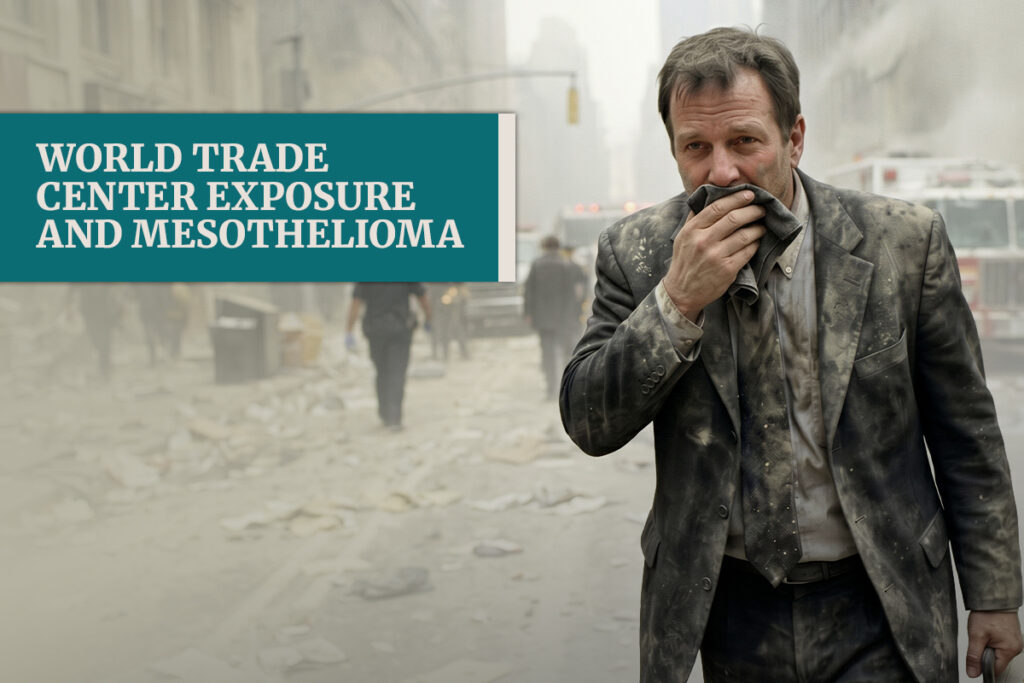
More than two decades after the terrorist attacks on Sept. 11, 2001, researchers continue uncovering the long-term health consequences linked to exposure at the World Trade Center disaster site. New findings from Memorial Sloan Kettering Cancer Center suggest that environmental asbestos exposure connected to the 9/11 attacks on the World Trade Center may be playing a role in mesothelioma among younger patients.
Mesothelioma is a rare and aggressive cancer most commonly caused by asbestos exposure. Traditionally, the disease has been associated with elderly people who worked in industries such as construction, shipbuilding, and manufacturing. However, doctors are now seeing younger individuals – such as those in their 40s – diagnosed with mesothelioma, including people with no known occupational exposure to asbestos.
Researchers are increasingly examining whether exposure to toxic dust and carcinogens released during the collapse of the World Trade Center may contribute to these cases.
World Trade Center Dust Contained Dangerous Carcinogens
Following the collapse of the Twin Towers on Sept. 11, 2001, massive clouds of dust and debris spread throughout lower Manhattan and surrounding areas. According to researchers, that dust contained numerous hazardous substances, including asbestos, glass fibers, heavy metals, and other toxic materials.
First responders, construction workers, cleanup crews, residents, office workers, students, and volunteers were all potentially exposed to dangerous airborne particles in the days, weeks, and months following the attacks.
Medical experts have spent years monitoring the long-term health effects associated with World Trade Center exposure, including respiratory illnesses, lung disease, and multiple forms of cancer.
Now, mesothelioma researchers are raising concerns that asbestos exposure tied to the World Trade Center disaster could be contributing to younger mesothelioma diagnoses.
Researchers Are Seeing Mesothelioma in Younger Patients
The recent MSK study reviewed 273 pleural mesothelioma cases involving patients under the age of 50. Researchers found several surprising trends, including a larger number of younger women diagnosed with mesothelioma and many patients who reported no traditional workplace asbestos exposure.
These findings suggest that environmental asbestos exposure, including exposure connected to catastrophic events like the World Trade Center collapse may play a more significant role than previously understood.
Because mesothelioma often takes decades to develop after asbestos exposure, some individuals exposed during or after 9/11 may only now begin experiencing symptoms or receiving diagnoses.
Mesothelioma Symptoms Can Take Years to Appear
One of the most dangerous aspects of mesothelioma is its long latency period. Symptoms may not appear for 20-50 years after asbestos exposure, making the disease difficult to detect early.
Common mesothelioma symptoms include:
- Persistent cough
- Chest pain
- Shortness of breath
- Fatigue
- Fluid buildup around the lungs
- Unexplained weight loss
Because these symptoms often resemble less serious respiratory illnesses, mesothelioma may go undiagnosed until it reaches an advanced stage.
Doctors warn that younger patients with a history of World Trade Center exposure or asbestos exposure should not ignore persistent respiratory symptoms.
Who May Have Been Exposed After 9/11?
Many people associate World Trade Center exposure only with first responders, but the affected population may be much broader. Individuals potentially exposed to asbestos and toxic dust after 9/11 include:
- Firefighters and police officers
- EMTs and rescue workers
- Construction and cleanup crews
- Lower Manhattan residents
- Office workers near Ground Zero
- Students and teachers in nearby schools
- Volunteers assisting with recovery efforts
Even limited or indirect exposure to asbestos fibers can increase the risk of developing mesothelioma and other asbestos-related diseases.
Legal Options for Mesothelioma Victims
Individuals diagnosed with mesothelioma linked to asbestos exposure may have legal rights to pursue compensation. Filing a mesothelioma claim can help pay for treatment and more. Victims may be eligible to recover damages for:
- Medical expenses
- Lost income
- Pain and suffering
- Ongoing treatment costs
- Wrongful death claims for surviving families
In some cases, individuals affected by World Trade Center-related illnesses may also qualify for benefits through the September 11th Victim Compensation Fund or the World Trade Center Health Program.
An experienced mesothelioma attorney can help investigate possible sources of asbestos exposure and determine what legal options may be available.
Increased Awareness Is Critical
The long-term health impact of the World Trade Center disaster continues to unfold more than 20 years later. As researchers learn more about mesothelioma in younger patients, the connection between environmental asbestos exposure and cancer risk is becoming increasingly important.
Greater awareness surrounding World Trade Center exposure, asbestos-related diseases, and early mesothelioma symptoms may help more individuals seek medical attention sooner and better understand their legal rights after a diagnosis.

Categories: